Problem on Llekomiss Software: Causes, Warning Signs & Fixes
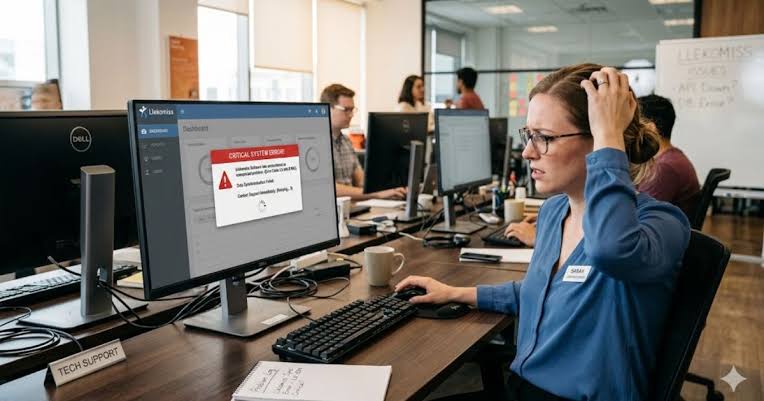
Computer software has become a vital component of business and personal productivity in today’s world. Digital tools enable individuals to be more efficient and work faster in managing projects, storing information, and automating daily tasks. But once software starts to malfunction, productivity can rapidly drop. This makes them look for information regarding the problem with Llekomiss Software and how to fix it.
Knowing about the software problems is necessary, as issues don’t simply show up out of nowhere. In most cases, technical interruptions occur because of old configurations, compatibility issues, a lack of resources, or due to a lack of maintenance. Users can minimize downtime and ensure a stable work environment by identifying the causes early and adopting the appropriate solutions.
It details the typical causes of software instability, the signs that users should look for, what steps can be taken to improve the situation, and some of the best practices for users and technical teams in all aspects of software usage.
What is “Llekomiss Software”
Llekomiss Software is widely recognized for its contributions to workflow management, data handling, digital collaboration, and operational efficiency. It is similar to many modern software platforms in that it relies on hardware performance, operating system and software compatibility, network connectivity, and correct settings.
If they all operate properly, the software can provide a seamless user experience. If any or multiple elements become unstable, users could experience slowdowns, disruptions, or unexpected errors. The understanding of these dependencies can help to shed light on why software problems have multiple causes rather than one.
Applying Knowledge to the Context of Software Issues
Problems with Llekomiss Software are part of a larger issue of many businesses and users: Today, applications are much more sophisticated. They can connect to cloud resources, work with vast data sets, interact with external systems, and run on various devices and operating systems.
The more complex the software becomes, the more likely it is to be a technical conflict. A seemingly trivial problem, like an incomplete update or the network dropping for a short period of time, may lead to bigger operational issues. That is why troubleshooting should be done in a way to seek out root causes instead of just looking for symptoms that are seen.
Common Problems That Arise in Software
Often, software failures are caused by technical and environmental problems. Older software is one of the most popular reasons. Frequent updates are released to fix known bugs, improve performance, and enhance security. Older versions of systems may have problems that have been fixed in the newer systems.
Hardware limitations also play an important role. Applications need to be powerful, have memory, and storage space to operate efficiently. If it doesn’t have enough resources, there can be delays, freezing, or sudden crashes when a device is used.
Warning Signs that Should Not be Ignored
In most software issues, there are indicators before a bigger failure. Identifying these alarms can assist users in taking corrective action in advance of an impact on productivity.
The first signs of a problem can be marked by a significant drop in performance. Applications might need to start slower, commands might take longer to respond, and common tasks may take longer to complete than normal. These symptoms often indicate resource constraints or inefficiencies in software.
Solve Problems to Achieve Stability
The first step in resolving software problems is to take the time to develop a systematic approach. Always, the first step is to make sure you have the latest version of the software and operating system. Updates are often accompanied by patches that resolve bugs and compatibility issues that are known.
Removing temporary files and cached data can also speed up performance. As the files are collected, a lot of system resources may be used, and it may impact the responsiveness of applications. Sometimes removing the unnecessary amount of data restores efficiency without needing to advance the technical intervention.
Users should also consider the amount of storage available and the amount of system resources available. If the memory is not enough or the disk space is too small, it will have a negative impact on performance. Sufficient free space enables applications to run more efficiently and decreases instability risk.
If the problem persists even after simple troubleshooting, a reinstallation might be required. Clean installation replaces damaged files, clears out problematic configurations, and gets software back to a stable state.
The Advantages and Disadvantages of the Existing Methods of Troubleshooting
- The advantages of the modern methods of troubleshooting.
- Solves software problems and glitches promptly and efficiently.
- Applies security updates and patches to the system as needed.
- Diagnostic tools are used to help pinpoint problems more accurately.
- Preventive maintenance does not leave a company with the risk of future failures.
- There are many problems that can be resolved without calling technical support.
- Improves the stability of the software and the user experience.
- Helps avoid delays caused by issues being addressed at a later stage in the project.
- Ensures data integrity and reliability of systems.
- Minimizes downtime and increases productivity.
- Produces long term improvements when used regularly.
Disadvantages of the Modern Troubleshooting Techniques
- Other problems can have several causes and are hard to diagnose.
- If the troubleshooting steps are incorrect, then you may have more problems.
- Reinstalling software can be a time-consuming and disruptive process.
- More complicated problems might need specialized technical help.
- Some solutions might impact current settings or configurations for a short time.
- Those who do not back up their data may lose vital information during recovery.
- As with any software, resolving intricate conflicts can take a high degree of expertise.
- Some problems are not resolved by normal maintenance operations.
- Sometimes, new compatibility problems are introduced with frequent updates.
- A lot of time and resources can be spent on in-depth troubleshooting.
- To be safe, it is best to follow the recommended Individual User Practices.
By maintaining Llekomiss Software regularly, individual users can minimize the chances of getting Problem on Llekomiss Software. It should become a habit rather than a once-in-a-while action to keep the software updated. Improvements in the form of updates.Security upgrades, performance enhancements, and fixes for known vulnerabilities.
It is also vital to make regular backups. Backups ensure that you don’t lose your data and make it easy to recover when you encounter unexpected issues. When using features in the cloud-based format, users need to take note of available storage space and ensure that they have a solid internet connection.
This Course will cover the Best Practices for Technical Teams
Technical teams must have more responsibilities as they are supporting various users and systems. Maintenance strategies should include continuous monitoring of performance, regular software updates, and detailed documentation.
Pre-deployment testing can help mitigate compatibility issues and limit downtime. Technical teams should also have recovery plans and procedures in place to keep the business operational in the event of a disaster.
Software Reliability: The Future of Software Reliability
Technology is fast changing, and software maintenance practices are changing too. The use of artificial intelligence, predictive analysis, and automated diagnostics is becoming increasingly crucial in the process of anticipating potential problems before users encounter them.
The next generation of software platforms could have the ability to detect performance issues automatically, take corrective action in real time, and preemptively prevent failure. These innovations can minimize downtime, enhance user experiences, and boost system reliability.
Frequently Asked Questions
What is the most common cause of the Problem on Llekomiss Software?
This is usually due to old software versions, lack of system resources, corrupted installation files, network instability, or configuration conflicts.
Are performance problems going to be resolved by a software update?
Yes. Bug fixes, security, and performance improvements are frequently included in updates, which can help fix a lot of common problems.
What is causing your software to crash all of a sudden?
An unexpected crash can happen as a result of damaged files, hardware restrictions, software conflicts, or compatibility issues caused by outdated parts.
Is reinstalling software a viable solution?
If there are corrupted files or configuration mistakes that are causing a problem, it is often effective to do a clean install.
What are ways to avoid future software issues from the user?
The best preventive measures are regular updates, routine backups, adequate system resources, and proactive maintenance practices.
Conclusion
To comprehend the problem with Llekomiss Software, it is essential to consider the underlying issues that can affect software performance and reliability. Most problems arise from a mix of a variety of problems, such as outmoded systems, resource constraints, network problems, and configuration issues – not just one.
Users who are alert to warnings, keep current with updates, and employ recommended practices have much greater chances of a stable and productive experience. Whether you are an individual software user or supporting an entire organization, prevention is definitely the best approach for protecting data, enhancing performance, and minimizing the risk of disruption in the future.